
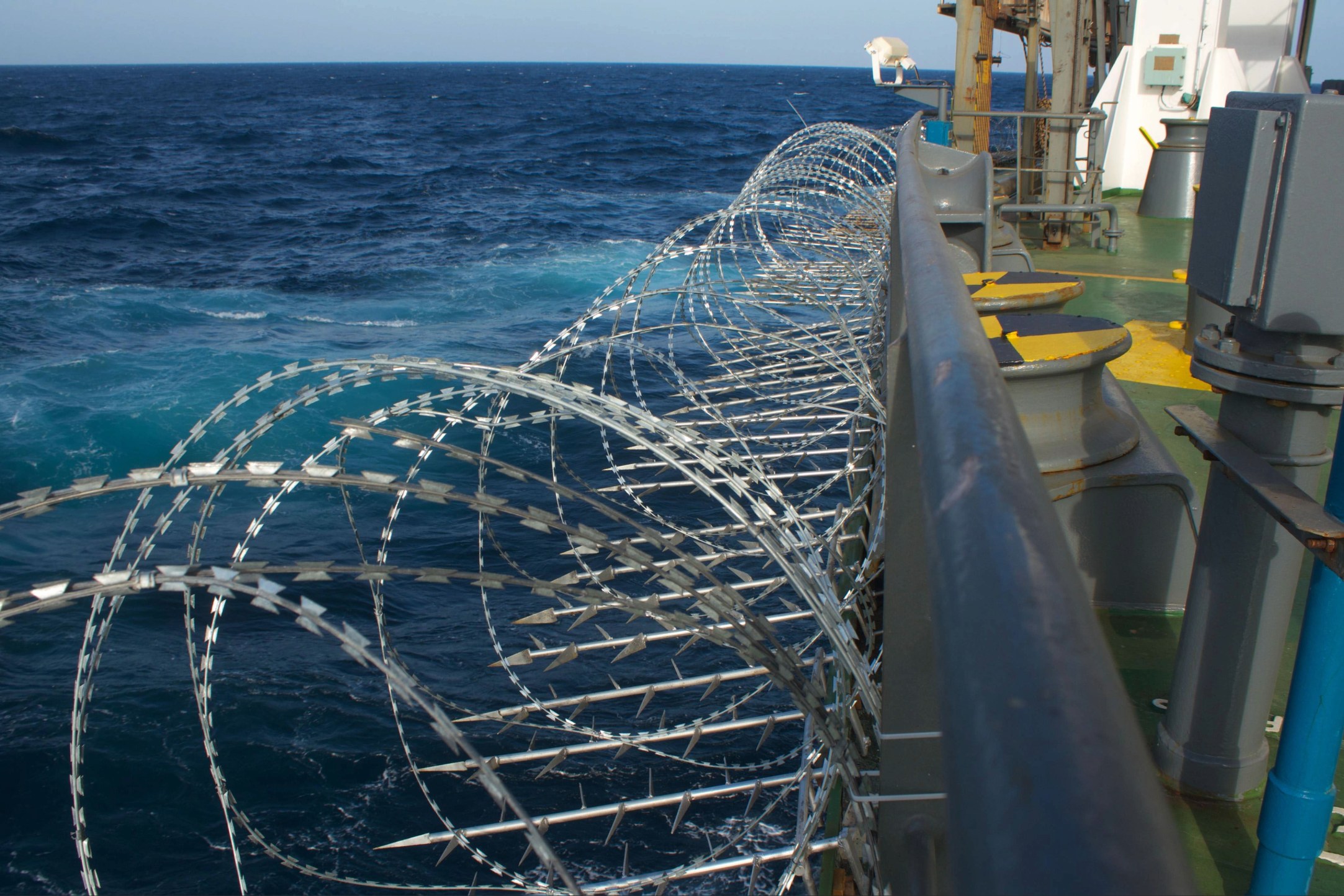
Ship Security Alert System (SSAS) for commercial fleets
Live and test Ship Security Alerts received, recorded and distributed in the same platform your team uses for vessel tracking, so every alert arrives with the vessel’s position and can be reviewed in context. Trusted by operators including Maersk.
Trusted by leading maritime teams





96%
BigOceanData clients
renew their contracts
80 million
Vessel position reports
every single day
4,500
Ports monitored
450K
Vessels tracked
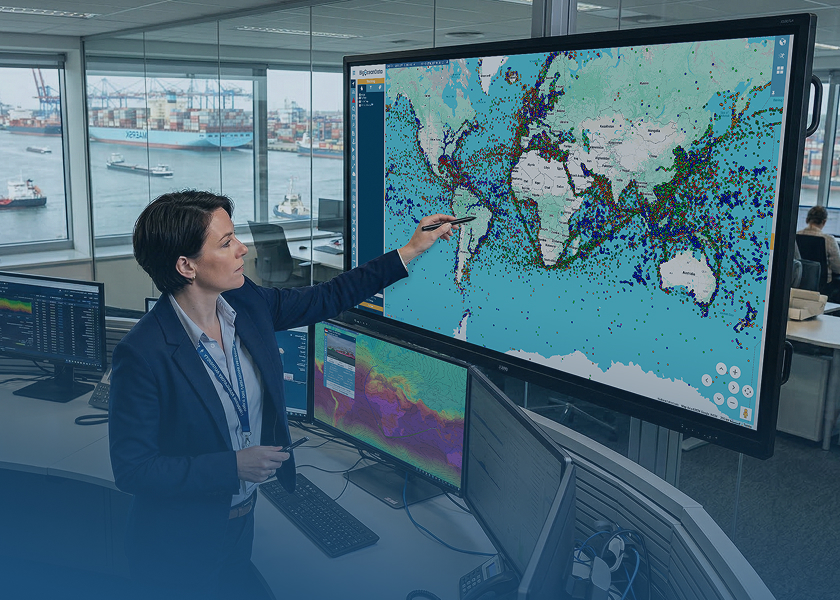
An alert you can act on
All SSAS providers send an alert by email. That satisfies the regulation but leaves your duty officer piecing together the picture manually: finding the vessel, checking its track and assessing nearby traffic.
BigOceanData removes that step. The alert appears alongside the vessel’s live position, recent track and surrounding area. It’s not about changing the regulatory requirement, it’s about giving your team the context to act in minutes, rather than still gathering information twenty minutes later.
Core capabilities:
- Live and test alerts displayed instantly
- Automatic distribution to nominated personnel
- Email, SMS, telex and on-screen notifications
- Vessel position and recent track with every alert
- Continuous, automated alert processing
- One workspace from alert to final report

Record built for inspection
Security reviews, flag state inspections and post-incident investigations all ask the same question: what happened, when, and who was told? A structured record gives you the answer. Scattered emails and recollections don’t.
Every Ship Security Alert is recorded in the BigOceanData database with its full distribution history, giving owners, managers and operators a durable audit trail rather than a mailbox that eventually gets cleared.
Key focus areas:
- SOLAS Chapter XI-2 and ISPS Code reporting support
- Secure logging of live and test alerts
- Complete historical records
- Distribution history with timestamps
- Inspection and security review reporting
- Alert history linked to voyage history
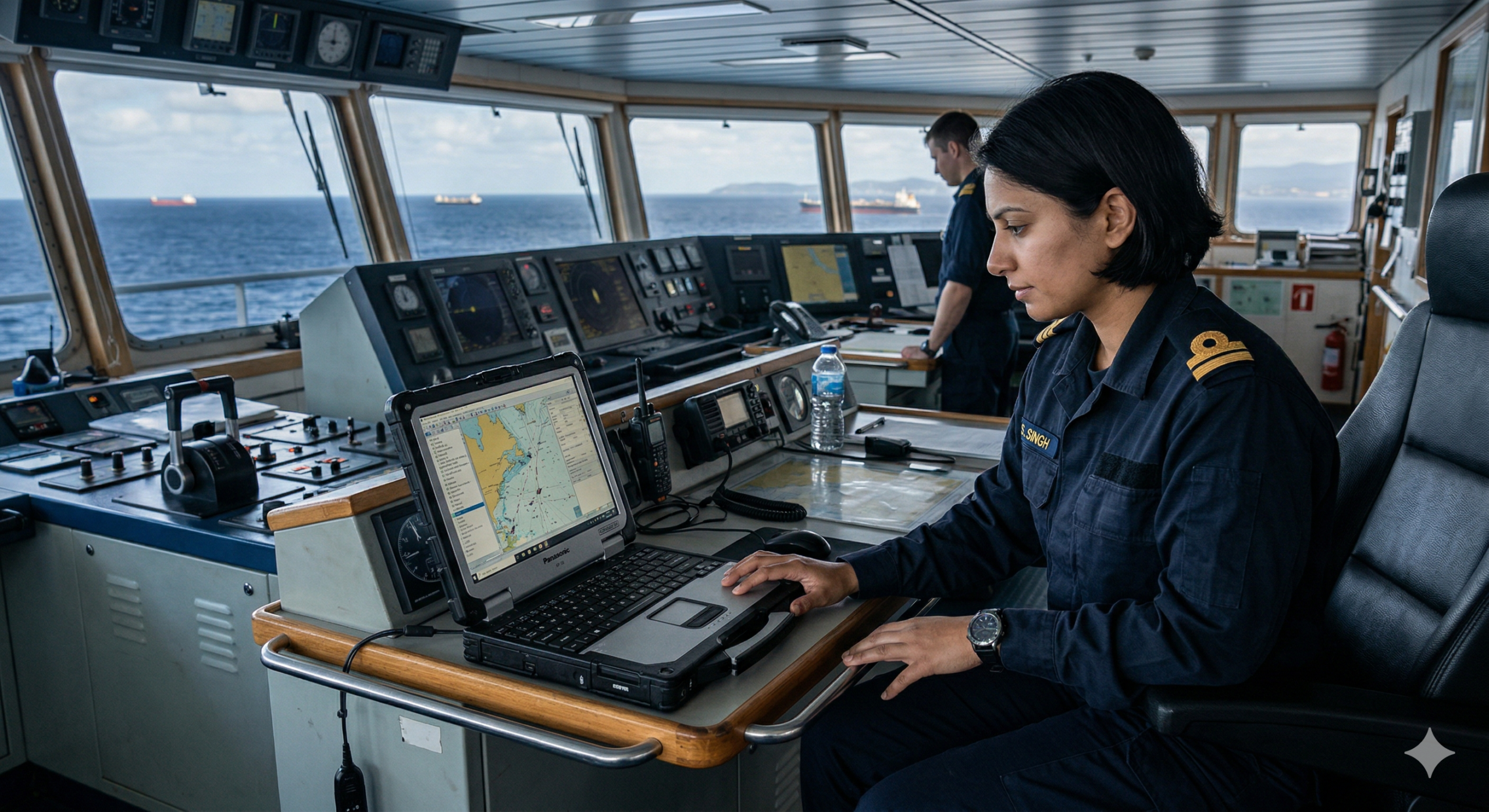
Keep your equipment. Change the service.
Many operators stay with an SSAS provider they’re unhappy with because they assume switching means replacing hardware or taking ships out of service. Usually, it doesn’t.
BigOceanData supports all standard type-approved SSAS equipment, and in most cases existing units can be repointed to our service using satellite equipment already onboard. Whether that’s possible depends on the vessel, configuration and flag state. Our specialists will confirm before you commit.
Key focus areas:
- Supports all standard type-approved SSAS equipment
- Repoint existing equipment instead of replacing it
- Managed migration from your current provider
- Flag state and authority notifications handled
- New equipment supplied only when needed
- Minimal disruption, no unnecessary replacement cost

Speak with one of our SSAS specialists
How BigOceanData SSAS compares
| Capability | Typical SSAS Provider | BigOceanData | ||
|---|---|---|---|---|
| Ship Security Alert Management | Included | Included | — | — |
| Immediate Live & Test Alert Handling | Included | Included | — | — |
| SOLAS and ISPS Compliance Support | Included | Included | — | — |
| Multi-channel Alert Notification | Varies | Included | — | — |
| Always-on Alert Processing | Limited | Included | — | — |
| Migration Support From Existing Provider | Varies | Included | — | — |
| Real-time Global Vessel Tracking | — | Included | — | — |
| Geofencing And Smart Security Alerts | — | Included | — | — |
| Historical Vessel Movement Analysis | — | Included | — | — |
| Single Integrated Maritime Platform | — | Included | — | — |
Trusted by teams who rely on maritime visibility every day
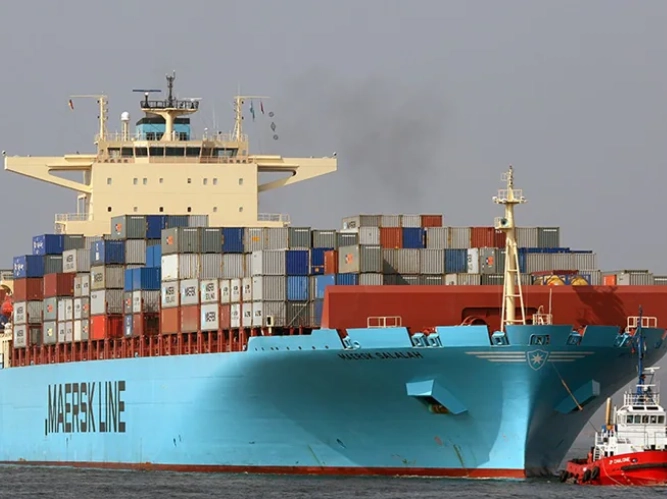

“Maersk needed the ability to track containers. After signing a two-year contract with BigOceanData in for vessel tracking services, Maersk extended and expanded the agreement for a further 30 months, covering three times the original number of vessels and nearly double the number of tracked containers. Maersk continues to use the BigOceanData SSAS service, a cost-effective, well-supported solution.”

Stephan Martinussen
Head of GVPC at Maersk


“Our contract renewal with BigOceanData is a testament to the continued excellence of service and support the team provides. BigOceanData has been and will continue to be one of our key service providers at VertomCory, helping us to enhance the service package we provide to our key clients.”
Neil Flower
Agency Director


“Crisis24 is a global risk management and security services company. We commissioned BigOceanData to provide us with a custom-designed vessel tracking and risk management platform for a range of applications with our insurance, marine and offshore oil & gas clients. BigOceanData was responsive to our requirements from the outset; pioneering new ideas to create exactly what we wanted.“
Crisis24
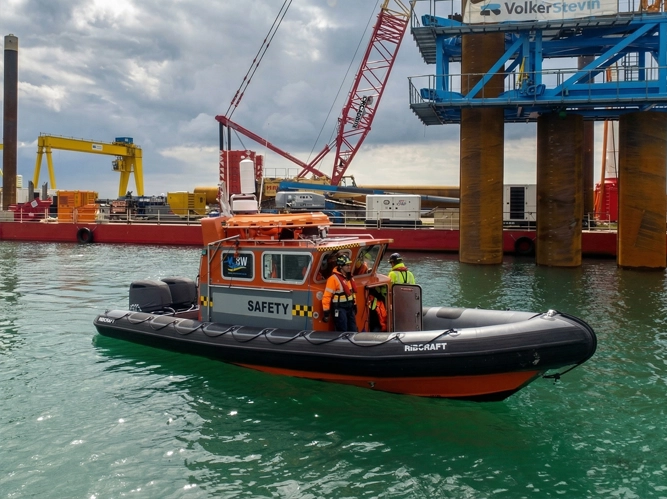
“BigOceanData played a key role in de-risking the return of our vessel, SARBAS, from the Persian Gulf at the onset of hostilities. Their team provided excellent support over a weekend, rapidly setting up frequent Inmarsat-C position updates, seamlessly integrated with AIS data, to support a safer transit. The solution was highly cost-effective and delivered with efficiency and professionalism throughout. The team are a pleasure to work with.”

Mark Robinson
Marine Director
Latest news and insights
Insights
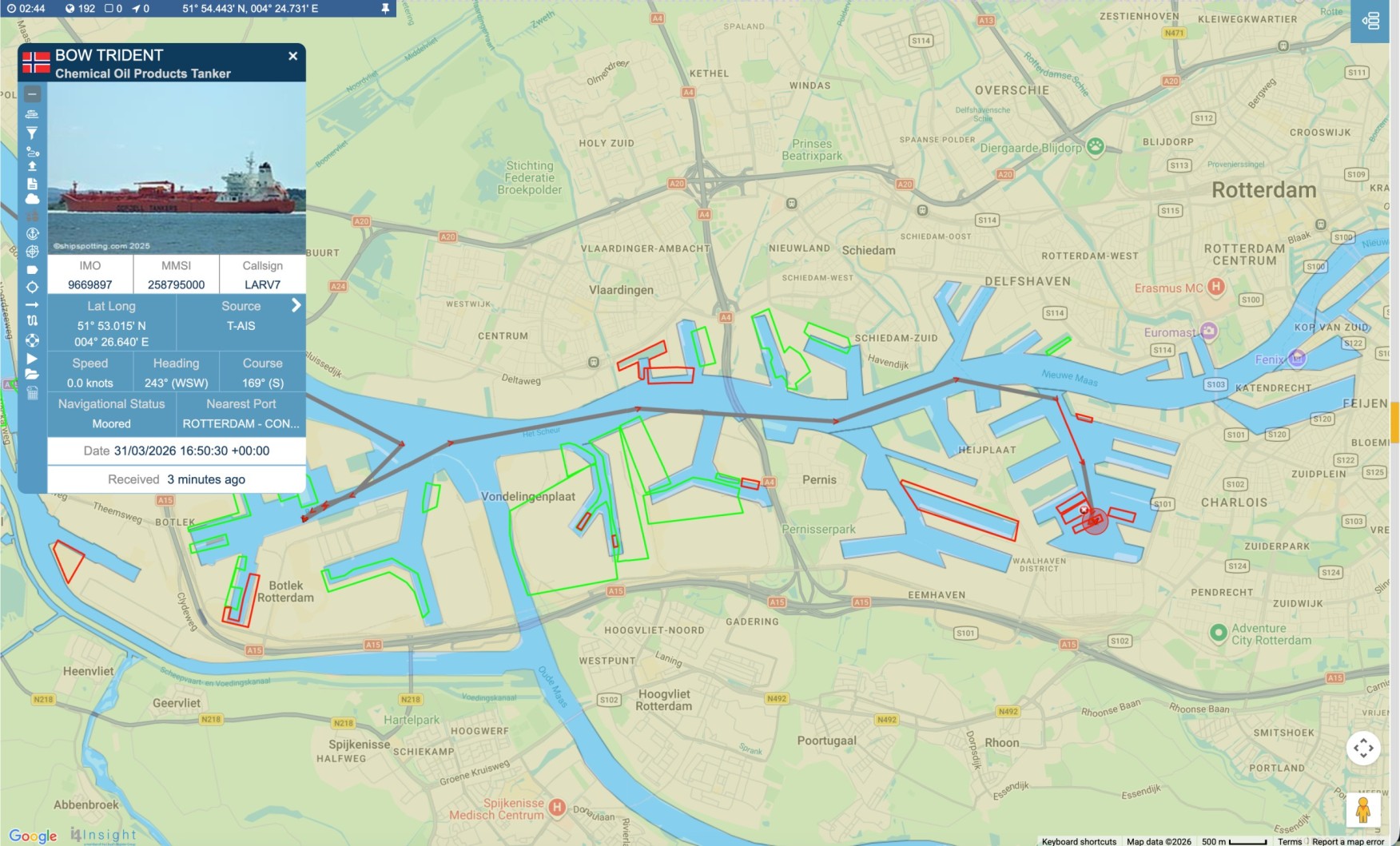
Port Call Monitoring with AIS: Following the Vessel from Approach to Departure
A port call is a sequence of movements, not a timestamp. How AIS positions, port zones and voyage history support arrival planning, live coordination and post-voyage review – and where they stop being reliable. A port call is rarely a single arrival time. The vessel approaches, may wait at anchorage, enters the port, moves to a berth,Continue reading “Port Call Monitoring with AIS: Following the Vessel from Approach to Departure”
Insights
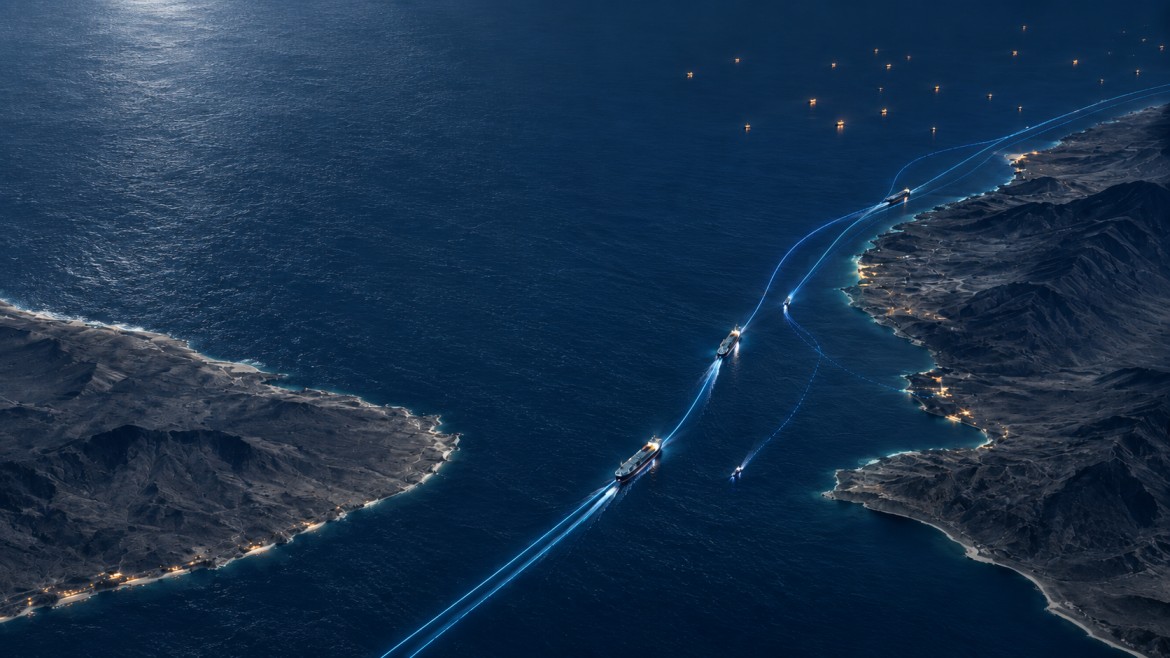
Bab el-Mandeb Shipping: How Houthi Threats Changed Vessel Behaviour
Reseach conducted by BigOceanData for TradeWinds The analysis is based on observations from BigOceanData’s global AIS vessel-tracking network, combining vessel positions collected across terrestrial and satellite sources. Among the months sampled, traffic through Bab el-Mandeb was highest in July 2026, then fell 18% in August after the Houthis announced a blockade of Saudi shipping. ComparedContinue reading “Bab el-Mandeb Shipping: How Houthi Threats Changed Vessel Behaviour”

Insights
Ship Security Alert System (SSAS): a practical guide for operators
What an SSAS actually does, which ships must carry one, where the alert goes when it is pressed, and why most operators discover their weak point during a test rather than an incident. Most SSAS documentation describes a button. That is accurate and almost entirely useless, because the button is the part that works. WhatContinue reading “Ship Security Alert System (SSAS): a practical guide for operators”
News
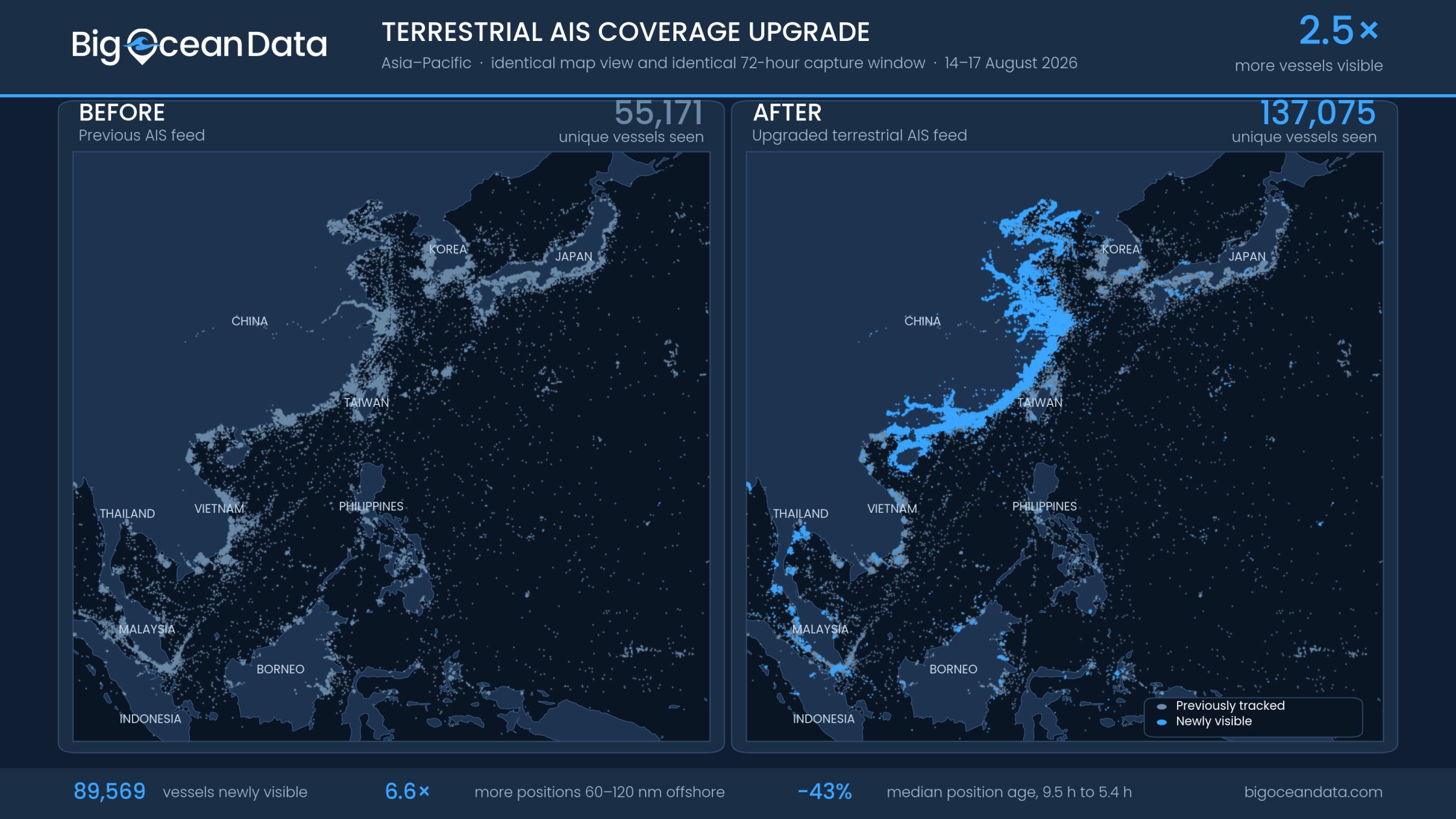
BigOceanData upgrades terrestrial AIS coverage worldwide, more than doubling vessel visibility in coastal waters
Denser terrestrial coverage strengthens the coastal half of BigOceanData’s combined terrestrial & satellite AIS feed, with an Asia-Pacific sample showing 2.5 times more vessels tracked & position updates arriving 43% sooner. London, 26 August 2026, BigOceanData today announced a significant upgrade to the terrestrial component behind its vessel tracking platform, substantially increasing the number of vesselsContinue reading “BigOceanData upgrades terrestrial AIS coverage worldwide, more than doubling vessel visibility in coastal waters “
Insights
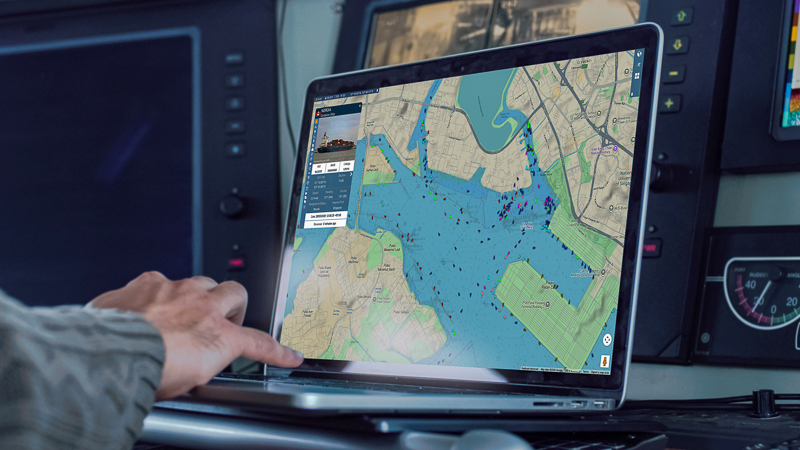
Vessel Geofencing: How to Build AIS Alerts Your Team Will Actually Act On
Defining maritime zones, writing alert rules that earn attention, and avoiding the alert fatigue that quietly kills most monitoring set-ups. Vessel geofencing lets a maritime team draw a boundary around a port, anchorage, terminal, coastal region, offshore asset or sensitive area, and be told when a vessel interacts with it. Instead of checking a mapContinue reading “Vessel Geofencing: How to Build AIS Alerts Your Team Will Actually Act On”

Insights
How to Evaluate a Vessel Tracking Platform
Most tracking platforms look identical in a demo. Here is what actually separates them, what “satellite AIS” means in practice, and the questions to take into a vendor call. Every vessel tracking platform shows ships on a map. In a demo, they all look capable, they all have alerts, they all have history, and theyContinue reading “How to Evaluate a Vessel Tracking Platform”
Insights
What Happens When a Vessel Disappears From AIS?
AIS is the foundation of vessel tracking, but it was never designed for uninterrupted global coverage. When a vessel stops reporting, AIS Continuity maintains visibility using independent position sources already available on many ships.
Insights
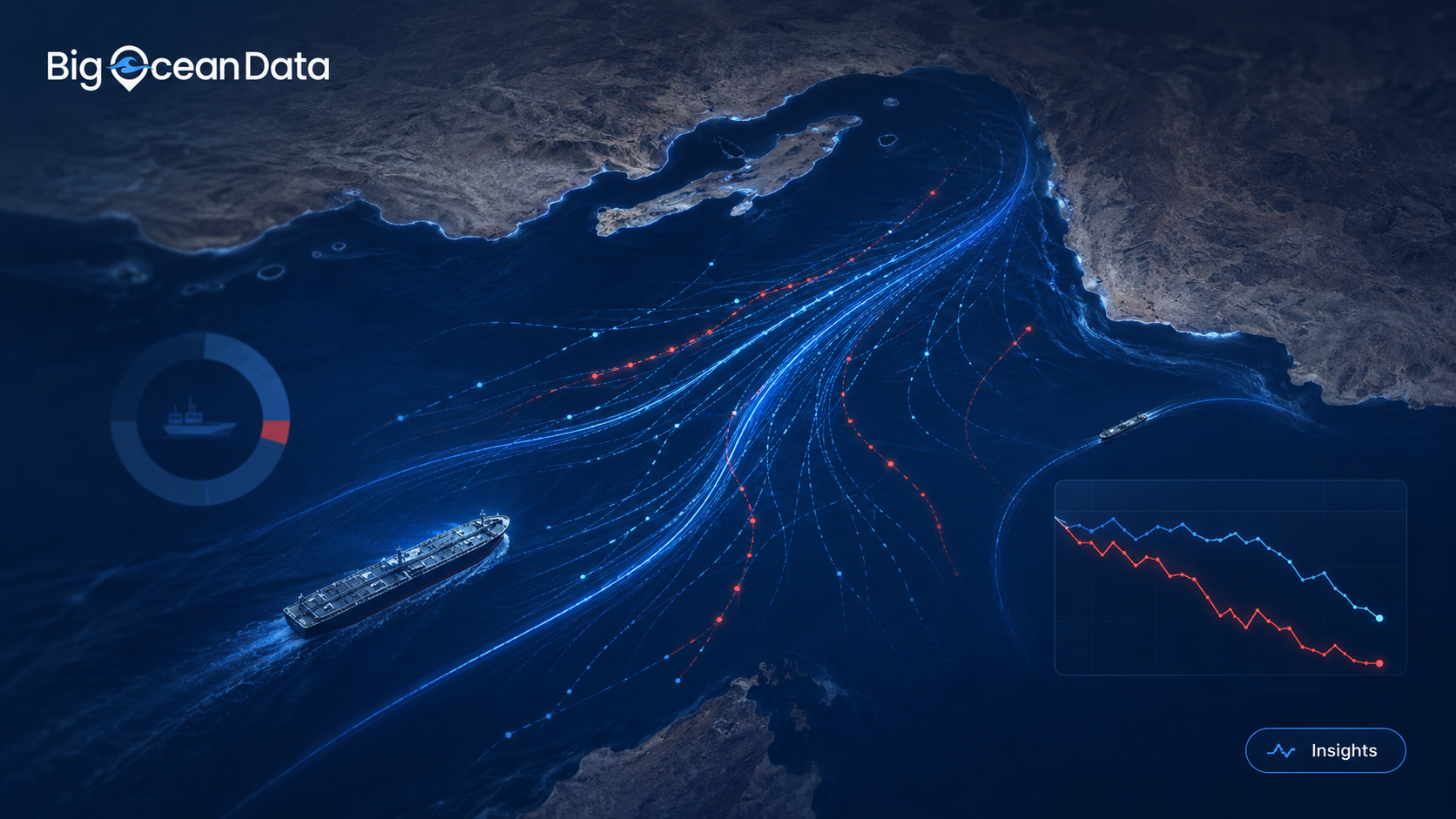
We watched every large cargo Ship and Tanker in the Strait of Hormuz for 30 Days
BigOceanData monitored Strait of Hormuz vessel traffic for 30 days, analysing every qualifying cargo ship and tanker observed across the strait and its approaches. The results reveal a maritime corridor operating far outside its normal patterns. On a normal day, the Strait of Hormuz is one of the world’s busiest energy corridors. In January, ourContinue reading “We watched every large cargo Ship and Tanker in the Strait of Hormuz for 30 Days”

Insights
Which vessel tracking platform is right for your team? MarineTraffic, VesselFinder, or BigOceanData?
“Should we use you, MarineTraffic or VesselFinder? “ It is a question we are asked directly, and it deserves a straight answer rather than a sales pitch. The short version: if you are an individual who needs vessel positions, or a business looking for standalone AIS data feeds, VesselFinder is a sensible place to start. If you are a large organisationContinue reading “Which vessel tracking platform is right for your team? MarineTraffic, VesselFinder, or BigOceanData?”
News, Press
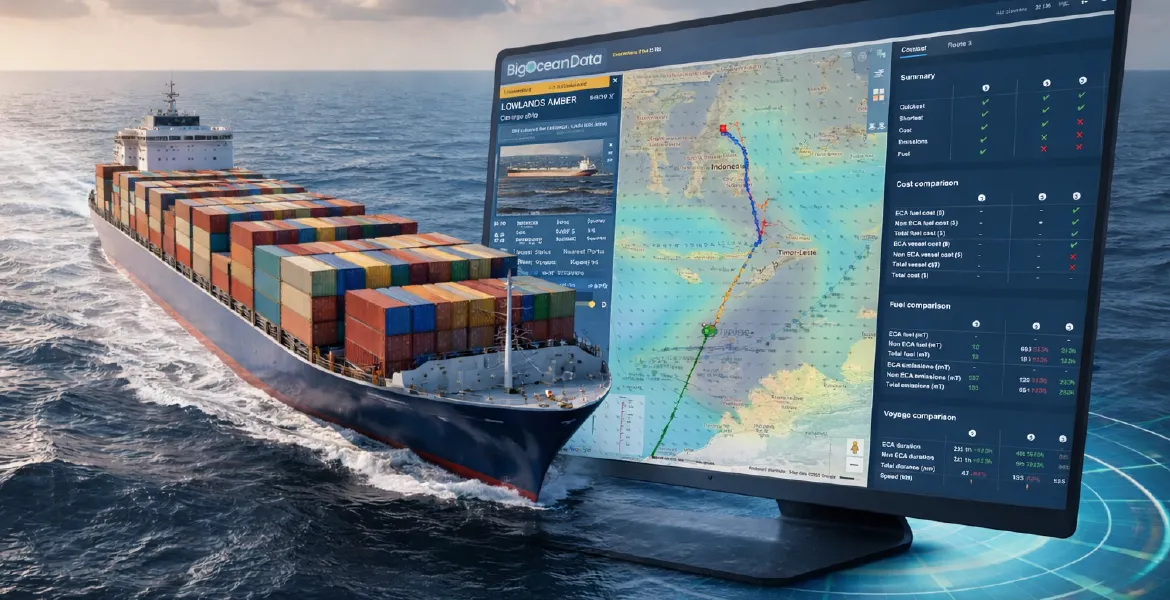
BigOceanData launches Route Optimisation as part of its connected maritime operations platform
New capability combines weather-aware routing, vessel-specific logic and operational constraints to support better voyage decisions London, 21 April 2026 — BigOceanData today announced the launch of Route Optimisation, a new capability within the BigOceanData platform designed to help shipowners, operators and managers make better voyage decisions by connecting route planning with live operational visibility. BuiltContinue reading “BigOceanData launches Route Optimisation as part of its connected maritime operations platform”
Insights
From Live Positions to Better Decisions: The Real Value of Vessel Tracking
Vessel tracking is often reduced to a simple visual: a ship moving across a map. That is useful, but it is not where the real value sits. In practice, the value comes from what a team can decide once that movement is visible, interpretable, and connected to the operational picture around it. In shipping, timingContinue reading “From Live Positions to Better Decisions: The Real Value of Vessel Tracking”
News
Bulgarian Shipping Company Renews Agreement
A leading Bulgarian shipping company has renewed its partnership with BigOceanData following a highly successful initial term. Operating a fleet of 36 bulk carriers worldwide, the company requires reliable vessel tracking — even in regions where AIS coverage is limited. To address this, we implemented scheduled Inmarsat-C reporting alongside AIS data, ensuring continuous and accurateContinue reading “Bulgarian Shipping Company Renews Agreement”
Frequently Asked Questions
Common questions about the BigOceanData Ship Security Alert System service.
Passenger ships including high-speed passenger craft, cargo ships including high-speed cargo craft of 500 gross tonnage and upwards, and mobile offshore drilling units, under SOLAS Chapter XI-2, Regulation 6. Flag states may apply requirements beyond this baseline, so always work from the current flag state circular.
No. Unlike a distress alert, it is sent covertly to a competent authority designated by the flag state administration, and to any other recipient that administration permits. Vessels in the vicinity receive nothing, and there is no alarm onboard.
In most cases yes. BigOceanData supports all standard type-approved SSAS equipment, and existing units can usually be repointed to our service without physical replacement. Whether this applies to a particular vessel depends on the equipment, its configuration and the flag state. Our specialists will confirm before you commit.
Live and test alerts are displayed within the BigOceanData platform and distributed automatically to your nominated personnel by email, SMS, telex and on-screen notification. Using more than one channel removes the single point of failure that catches most operators out.
BigOceanData manages the transition, including notification to the flag state and receiving authority, testing, and confirmation that alerts are arriving correctly before the previous service is stood down. The aim is no gap in cover and no vessel out of service.
Testing intervals are set by the flag state administration and documented in the Ship Security Plan. Notify the receiving authority before any test so a test alert is not treated as live. Test alerts are handled and recorded by BigOceanData in the same way as live alerts.
Follow the procedure in your Ship Security Plan, which will normally require immediate notification of the receiving authority and the company security officer, with a record of the cause. The ISPS Code requires plans to include measures for limiting false alerts. BigOceanData records the activation either way, so the cause can be established afterwards.
Every alert is stored in the BigOceanData database with its timestamp and full distribution history, and can be reported on for compliance inspections, security reviews and post-incident investigation.
SSAS is one of the four core pillars of the BigOceanData platform, alongside Vessel Tracking, Route Optimisation and Maritime Intelligence. Because they share one workspace, an alert can be seen against the vessel’s live position, recent track and voyage history without moving between systems.