

Route Optimisation for better voyage decisions
BigOceanData Route Optimisation combines weather-aware routing, vessel performance modelling and voyage constraints in one connected workflow, helping teams optimise for time, fuel, cost, ETA and emissions across planning, execution and review.
24 million
Vessel position reports every single day
450K
Vessels tracked
4,500
Ports monitored
96%
BigOceanData clients renew their contracts
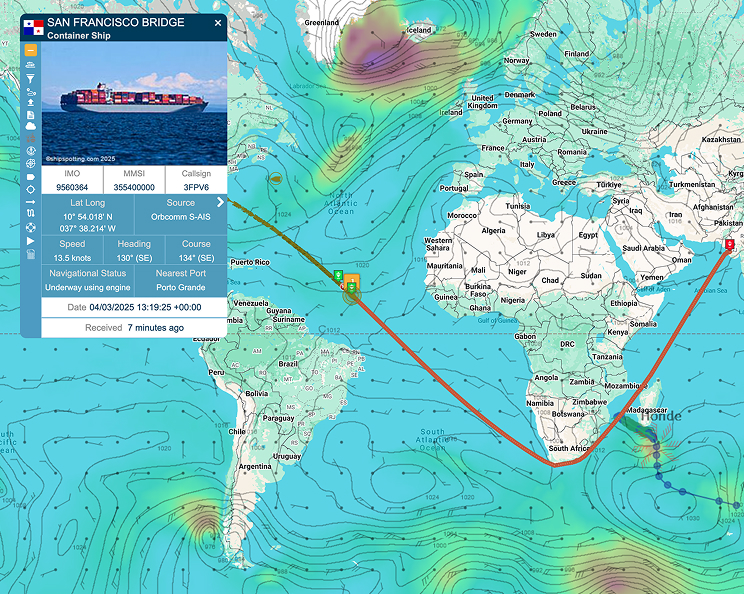
Key focus areas:
- Weather-optimised and vessel aware routing
- Measurable fuel and cost savings
- Reduced delays and accurate ETA confidence
- Lower emissions and improved efficiency
- Improved schedule integrity
- A clear return on investment
Data-driven voyage optimisation
Powered by the ABB Ability™ Vessel Routing API, BigOceanData uses advanced vessel performance modelling across weather conditions, sea states and speed profiles to generate more efficient routes.
Teams can compare route options against real operating priorities, helping improve planning accuracy, reduce fuel consumption and maintain schedule integrity.
With real-time fleet visibility and continuous access to voyage data, operators can take a more proactive approach to route planning and execution.
The result is stronger control over voyage performance, clearer commercial insight and measurable ROI against one of the industry’s largest operating costs.
Trusted by leading maritime teams





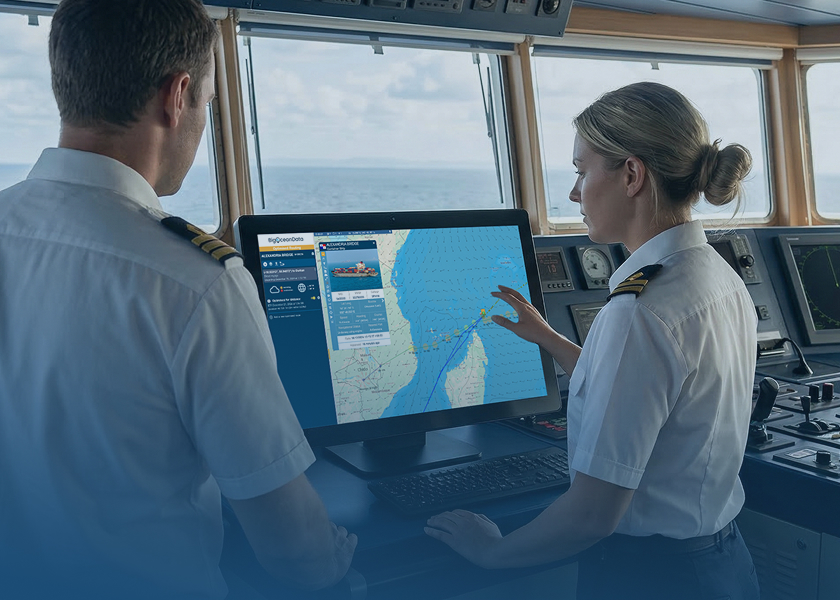

Key focus areas:
- Shared onboard and shoreside workflow
- Route optimisation by time, fuel or total cost
- Optimal Speed Routing for fuel and emissions savings
- Mid-voyage re-optimisation
- ECDIS integration
- Seakeeping integration (Q3 2026)
Onboard and shoreside, fully connected
BigOceanData Route Optimisation is available onboard, shoreside, or across both, giving vessel crews and shore-based teams a shared view of the voyage plan and the flexibility to stay aligned as conditions change.
Routes can be optimised by time, fuel consumption or total voyage cost, using fixed or variable speed profiles and custom constraints such as weather thresholds and no-go zones. Advanced Optimal Speed Routing dynamically adjusts vessel speed to reduce fuel use and emissions while protecting schedule integrity.
Continuous optimisation helps voyage plans stay aligned with the latest maritime data throughout the journey, supporting more efficient execution, stronger compliance and better control from departure to arrival.
Trusted by teams who rely on maritime visibility every day
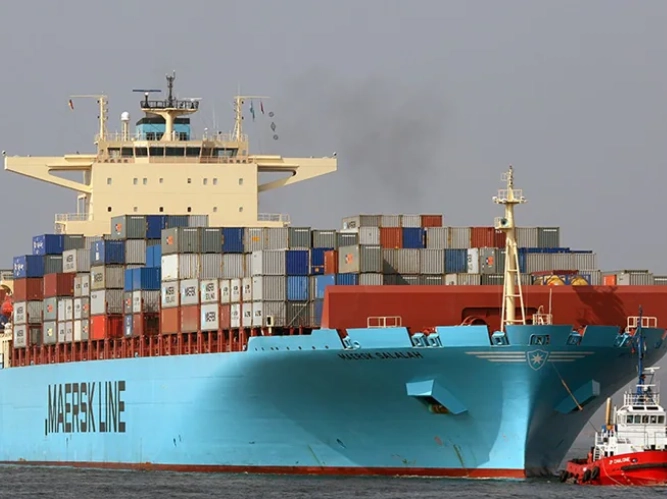

“Maersk needed the ability to track containers. After signing a two-year contract with BigOceanData in September 2016 for vessel tracking services, Maersk extended and expanded the agreement in early 2018 for a further 30 months, covering three times the original number of vessels and nearly double the number of tracked containers. Maersk continues to use the BigOceanData SSAS service, a cost-effective, well-supported solution.”

Stephan Martinussen
Head of GVPC at Maersk

“Our contract renewal with BigOceanData is a testament to the continued excellence of service and support the team provides. BigOceanData has been and will continue to be one of our key service providers at VertomCory, helping us to enhance the service package we provide to our key clients.”
Neil Flower
Agency Director


“Crisis24 is a global risk management and security services company. We commissioned BigOceanData to provide us with a custom-designed vessel tracking and risk management platform for a range of applications with our insurance, marine and offshore oil & gas clients. BigOceanData was responsive to our requirements from the outset; pioneering new ideas to create exactly what we wanted.“
Crisis24
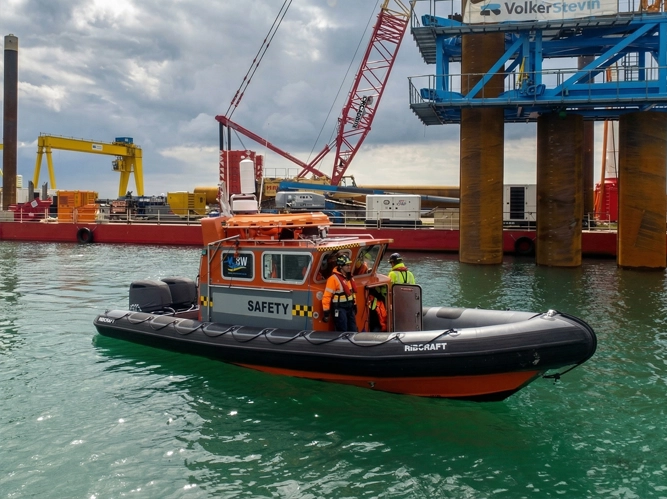
“BigOceanData played a key role in de-risking the return of our vessel, SARBAS, from the Persian Gulf at the onset of hostilities. Their team provided excellent support over a weekend, rapidly setting up frequent Inmarsat-C position updates, seamlessly integrated with AIS data, to support a safer transit. The solution was highly cost-effective and delivered with efficiency and professionalism throughout. The team are a pleasure to work with.”

Mark Robinson
Marine Director
Latest news and insights
News
Bulgarian Shipping Company Renews
A leading Bulgarian shipping company has renewed its partnership with BigOceanData following a highly successful initial term. Operating a fleet of 36 bulk carriers worldwide, the company requires reliable vessel tracking — even in regions where AIS coverage is limited. To address this, we implemented scheduled Inmarsat-C reporting alongside AIS data, ensuring continuous and accurateContinue reading “Bulgarian Shipping Company Renews “

News, Press
International Maritime Security Provider Extends 15-Year Partnership with BigOceanData
A leading international maritime security provider has renewed its long-standing relationship with BigOceanData, continuing to use a white-labelled version of the platform to support its global client base.

News
Partnership Renewal Strengthens Maritime Security Capabilities
BigOceanData’s long-running partnership with Diaplous Maritime Services has been extended, building on collaboration that began in 2020. The agreement provides core vessel tracking services and enhanced area monitoring solutions, providing real-time intelligence on marine traffic within designated regions. The extension reflects growing demand for integrated maritime security and situational awareness, particularly as global shipping routes face evolvingContinue reading “Partnership Renewal Strengthens Maritime Security Capabilities”
News, Press
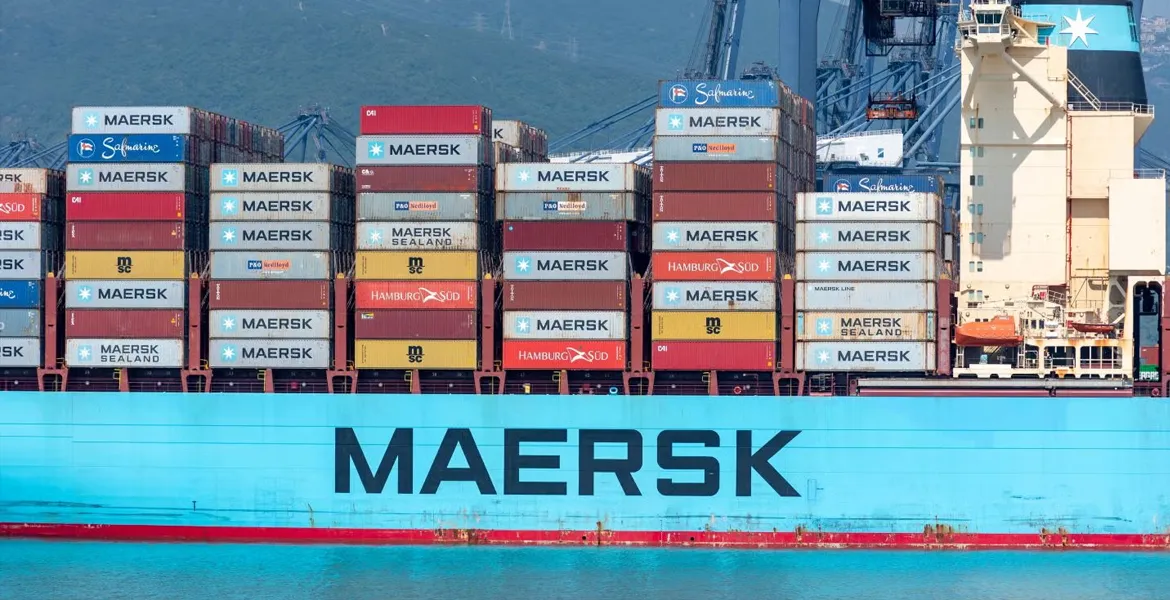
Maersk-Line Renews Commitment to BigOceanData’s Integrated SSAS
Maersk-Line has once again renewed its commitment to BigOceanData’s integrated Ship Security Alert System (SSAS) for a further term.
News, Press
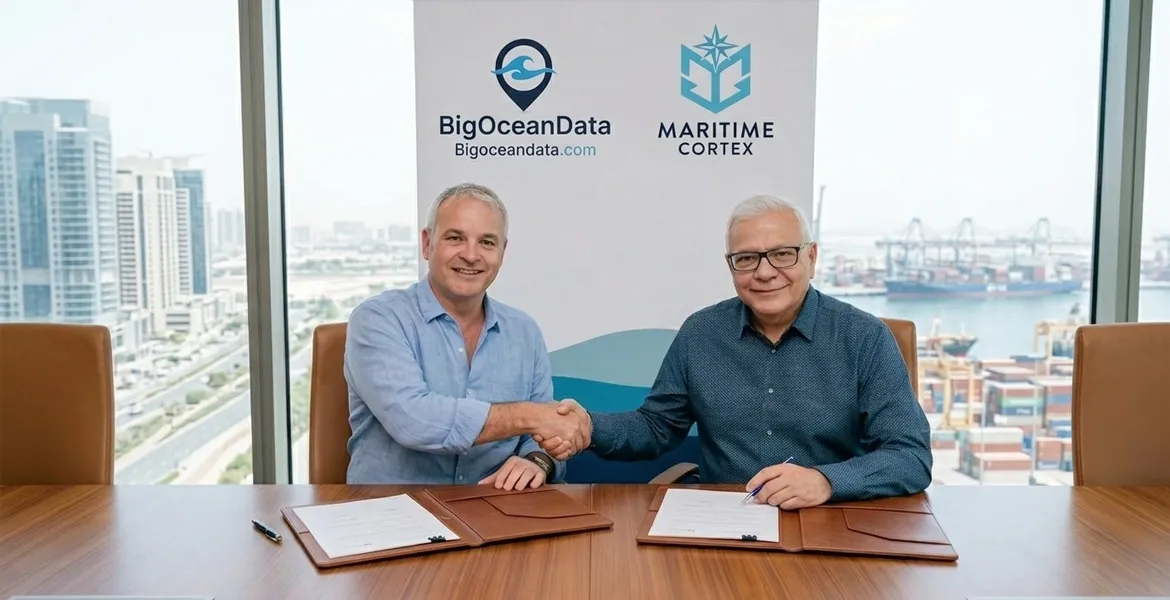
Maritime Cortex acquires BigOceanData to build AI-powered future for global fleet intelligence
Maritime Cortex Limited today announced the acquisition of Big Ocean Data, a maritime vessel tracking and analytics platform serving over 200 commercial, government and environmental organisations worldwide.

News, Press
US-based superyacht management company renews agreement
A US-based superyacht management company has renewed its BigOceanData subscription, continuing to leverage a combination of AIS, Inmarsat-C, and Iridium scheduled reporting to ensure continuous, high-confidence vessel tracking worldwide.
News, Press
European Government Renews BigOceanData Fisheries VMS Contract
BigOceanData is proud to announce that a major European Fisheries Department has extended its use of our Fisheries Vessel Monitoring System technologies and support for a 12th year!
News, Press
European Bulk and Tanker Operator Extends Use of BigOceanData Vessel Tracking
A long-standing European-based bulk and tanker operator has extended its use of BigOceanData’s advanced vessel tracking services for an eighth year.

News, Press
Cory Brothers Extends BigOceanData Contract for a Further Two Years
BigOceanData is pleased to announce the renewal of its contract with Cory Brothers, a leading global provider of logistics and maritime services. The agreement extends the partnership for another two years.
Frequently Asked Questions
Our questions and answers are intended to give you a greater understanding
of our Voyage Management and Route Optimisation solution.
BOD Route Optimisation helps shipowners, operators and managers plan and adjust voyages using weather-aware routing, vessel-specific performance and operational constraints. It supports better decisions on speed, route, fuel consumption and arrival time. Route optimisation is part of the BigOceanData platform alongside vessel tracking and maritime intelligence, enabling connected operational decisions.
Route optimisation uses weather forecasts (wind, waves, currents), vessel performance models, voyage parameters (departure, destination, ETA constraints), and regulatory or operational constraints such as ECA zones. It compares routes based on fuel consumption, voyage time, cost and emissions, allowing users to select the most suitable option.
Yes. Users can optimise routes based on fuel efficiency, shortest time, lowest cost or emissions reduction, and compare multiple routes side-by-side.
Routes can be recalculated as frequently as needed, allowing adjustments based on updated weather conditions or operational changes during the voyage.
Yes. BOD allows you to track the vessel alongside the planned route, helping monitor deviations and adjust decisions during the voyage.
Yes. By selecting more efficient routes and speeds based on real-time conditions, route optimisation can significantly reduce fuel consumption and costs.
Optimised routing reduces unnecessary fuel burn, lowering emissions. Users can compare routes based on emissions impact as part of decision-making.
Yes. Route optimisation considers vessel-specific characteristics, ensuring routing recommendations are tailored to each vessel.
BOD provides automated calculations, scenario comparisons, and integration with vessel tracking and operational data, offering a more flexible and user-driven workflow.